Our Activity
“Annual Report 2022 on LAHORA”
Activities 2022

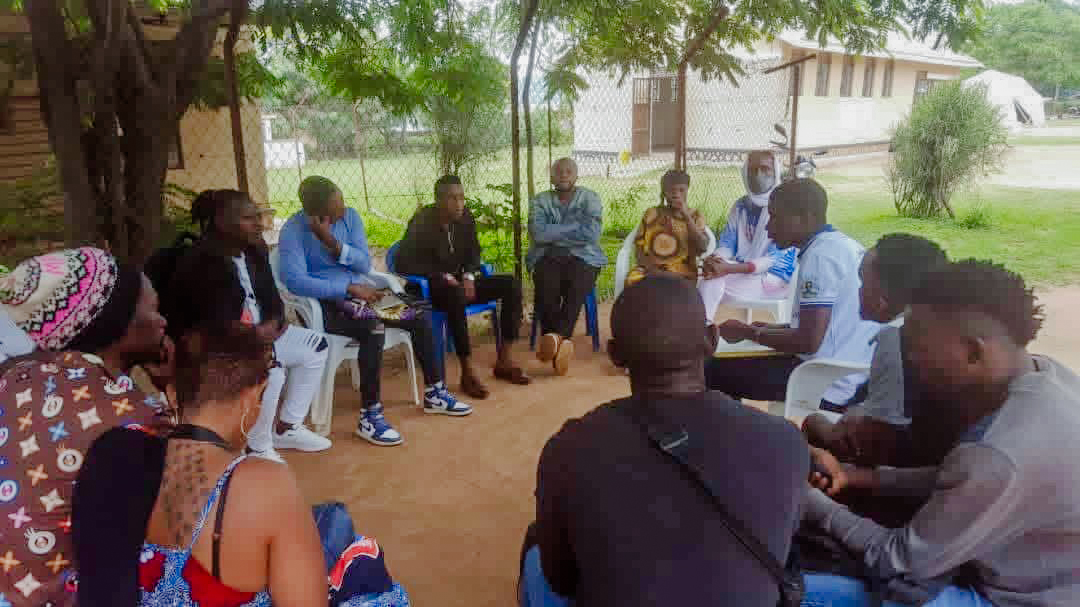
Meeting with Refugee Welfare Council 3 about Sexual and Reproductive health SRH: Engaged with Refugee Welfare Council 3 in Nakivale to discuss camp-based challenges.
Strategic meeting with village chiefs on personal security and sexual and reproductive health briefing (SRH) between the settlement Refugee Welfare Council and trans refugees in Nakivale refugee settlement.
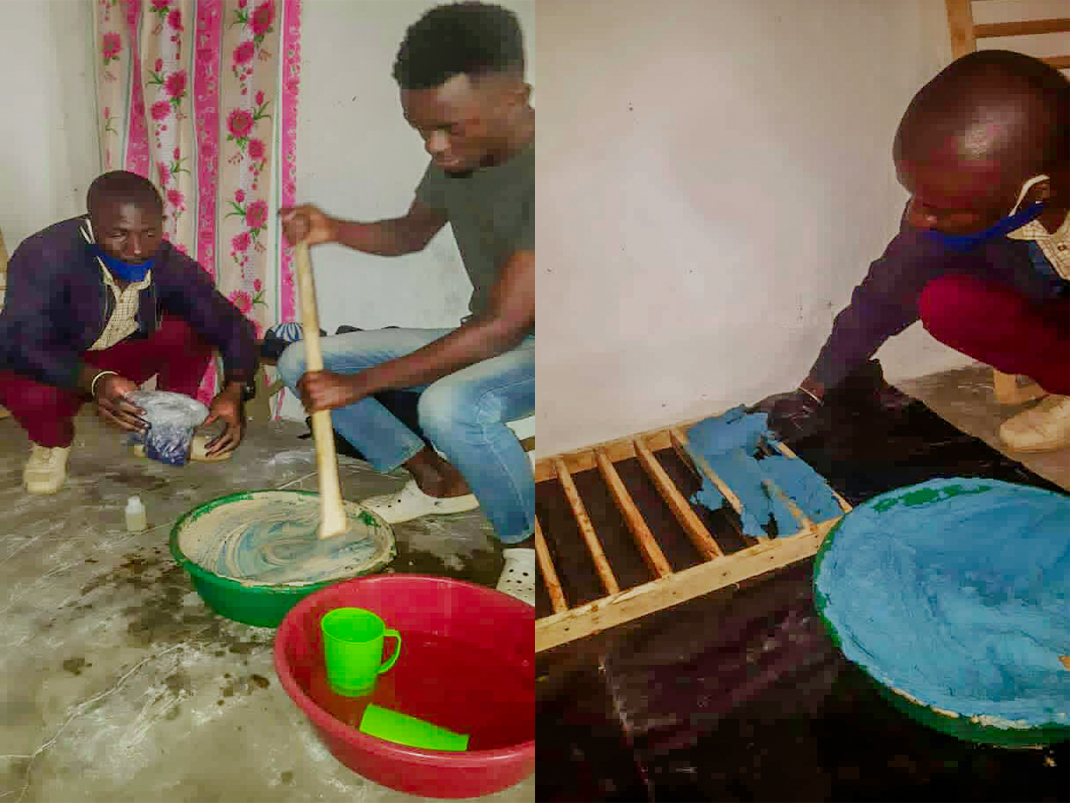
Soap production for self-reliance
The WAKE UP project empowered the transgender community by equipping members with practical bar soap-making skills. This activity was chosen because bar soap is low-cost, sustainable, and meets everyday needs in refugee camps and surrounding communities. By learning to produce and sell these goods, participants gained opportunities to generate income, reduce dependency on aid, and strengthen their sense of self-reliance. Beyond economic benefits, the project also promoted social inclusion, as transgender individuals were able to showcase their abilities, challenge stigma, and contribute visibly to community development. In this way, WAKE UP became both a livelihood program and a platform for advocacy, demonstrating that marginalized groups can thrive when given tools and support.
Tree plantation to fight against climate change
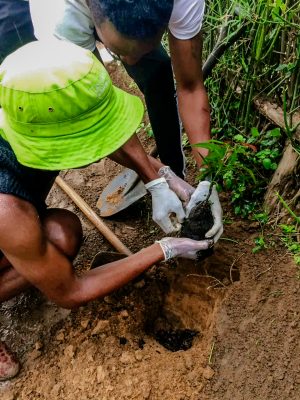
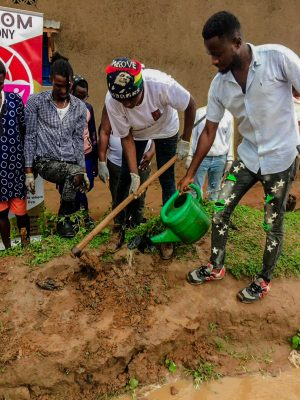
The Last Hope Refugee Association in partnership with Freedom in Harmony carried out a joint tree-planting and weeding project in the Nakivale Refugee Settlement. This initiative strengthened the Nakivale transgender community’s commitment to the environment and its fight against climate change. Following the tree planting and cleanup, the goal of this activity was to demonstrate to the Nakivale camp community that trans people are essential to society and can contribute to the camp’s development
Together for Clean Spaces
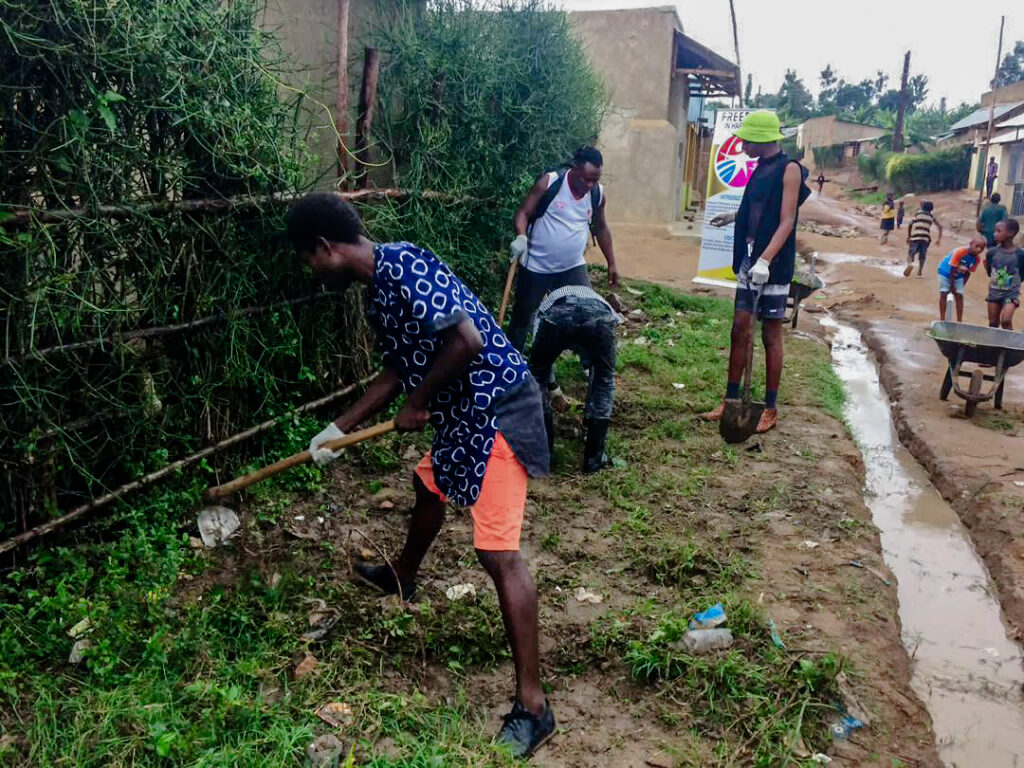
The Village Cleanup Day organized by LHRA’s transgender refugees in Nakivale was a powerful act of community service and visibility. By dedicating time and effort to cleaning public spaces, participants not only improved the environmental health of the settlement but also demonstrated their commitment to collective well-being. This initiative helped foster solidarity between marginalized groups and the wider refugee community, breaking down stigma by showing that transgender refugees are active contributors to social and environmental progress. The Cleanup Day thus became both a practical action for sanitation and a symbolic gesture of inclusion, dignity, and shared responsibility