
Who We Are
Our Story
Last Hope Refugee Association (LHRA) was born from the lived experiences of young transgender refugees from several African countries who were forced to flee armed conflict, persecution and human rights violations because of their sexual orientation, gender identity or expression, as well as their commitment to defending human rights.
After finding refuge in Uganda, many of us discovered that reaching safety did not necessarily mean the end of hardship. Within refugee settlements, transgender people continued to face stigma, violence, discrimination and exclusion. The legal and social environment, particularly in the context of Uganda’s anti-homosexuality legislation, further increased their vulnerability and limited their access to protection, livelihoods and opportunities for socioeconomic integration.
Without adequate support or realistic opportunities for the future, many young people experienced deep despair. Some were driven toward alcohol or drug use, sex work for survival, homelessness and other survival strategies that exposed them to further violence, exploitation and health risks. Others, lacking alternatives, sought refuge in places of worship, hoping to find a way out of their difficult circumstances.
The Birth of LHRA 2020
It was in response to these realities that Last Hope Refugee Association was established in 2020.
LHRA was founded with the desire to transform fear into hope, exclusion into solidarity, and vulnerability into resilience. From the beginning, the organization sought to create a space where marginalized trans refugees and asylum seekers could find support, regain their dignity and begin rebuilding their lives.
We believe that every person, regardless of sexual orientation or gender identity, deserves to live with dignity, safety and respect for their fundamental rights.
Legal Recognition 2022
As LHRA developed its community work, the organization obtained legal recognition as a Community-Based Organization (CBO No. 141), issued by the Local Government of Isingiro District on 20 July 2022.
This recognition provided a foundation for LHRA to strengthen its community-based activities and work more formally with partners and other stakeholders.
Strengthening Our Organization 2025
As the organization continued to grow, LHRA recognized the importance of strengthening its governance, accountability and institutional sustainability.
In 2025, LHRA successfully registered as a Company Limited by Guarantee. This strengthened legal structure provides a stronger foundation for the organization to enter formal partnerships, access funding and grants, manage resources transparently, and enter into agreements with donors, government institutions and other partners.
It also positions LHRA to expand its community-based programs and sustainably serve vulnerable refugee communities.
Where We Work and Who We Serve
Today, LHRA is headquartered in New Hope, Nakivale Refugee Settlement, Uganda.
We primarily serve marginalized and vulnerable trans refugees and asylum seekers, with particular attention to trans young people who face socioeconomic hardship, discrimination, protection risks and limited opportunities.
Our goal is to provide structured support that enables community members to move toward greater stability, dignity, resilience and independence.
What We Do
Through our programs and community interventions, LHRA provides:
1. Protection and humanitarian assistance
2. Psychosocial support and mental health guidance
3. Legal assistance and referrals
4. Economic empowerment and livelihood opportunities
5. Vocational and entrepreneurship training
6. Human rights education
7. Advocacy and community mobilization
8. Emergency support and temporary relocation
9. Food and essential-item assistance
10. Health information, HIV prevention and referrals
11. Digital safety and protection
12. Leadership and capacity building
13. Safe and supportive spaces for community members
We also work with national and international partners to strengthen services, opportunities and protection mechanisms available to the communities we serve.
Our Purpose
LHRA’s ambition is to give hope back to those who have lost it, restore dignity and enable people to become active participants in shaping their own future.
We work toward communities that are more inclusive, united, resilient and just, where trans refugees and asylum seekers can live with dignity, security, equality and respect for their fundamental rights.
“We come from broken lands, with the hidden fire of life, our hearts beating through pain, searching for a world without fear”
Frequently Asked Questions
Transgender refugees in Nakivale may experience several human rights and protection challenges including discrimination, harassment, verbal abuse, arson, threats, physical violence, social exclusion, eviction or denial of accommodation, barriers to employment and livelihood opportunities, and difficulties accessing some health and other essential services. Some also experience rejection from family or members of the wider refugee community because of their gender identity.
The legal and social environment surrounding LGBTQI+ people in Uganda can increase fear and vulnerability. As a result, some transgender refugees may avoid reporting violations because they fear being exposed, stigmatized, arrested, attacked, or facing further discrimination.
When violations occur, affected individuals may first seek help from trusted friends, peer networks and transgender-led community organizations such as Last Hope Refugee Association (LHRA). Depending on the nature of the incident, they may also seek support from UNHCR and its protection partners, humanitarian organizations, health facilities, psychosocial support providers, legal or human-rights organizations, and other trusted service providers.
Discrimination, violence, isolation, unemployment, homelessness and fear can have a significant impact on the emotional well-being of transgender refugees. Constantly worrying about safety, income, housing or rejection can create prolonged stress and feelings of hopelessness.
Social isolation can be particularly difficult when someone has lost contact with family or community members because of their gender identity. Unemployment and homelessness can further increase feelings of insecurity and uncertainty about the future.
For this reason, mental-health support should not be considered separately from protection and livelihood support. Transgender refugees need safe spaces, peer support, confidential psychosocial services, protection referrals, livelihood opportunities and communities where they can live with dignity and without discrimination.
Discrimination based on gender identity can make it difficult for transgender refugees to find and maintain employment. Some employers may refuse to employ transgender people, while customers may avoid businesses operated by transgender refugees because of stigma and negative attitudes.
Transgender refugees may also face challenges participating in livelihood programs if they do not feel safe or accepted in mainstream training spaces. Some therefore rely on informal work or small businesses, but these activities can also be affected by discrimination, lack of capital, limited markets and insecurity.
As a result, discrimination does not only affect social inclusion; it directly affects a person’s ability to earn an income and meet basic needs.
The main barriers include discrimination in employment and business, limited access to capital, lack of stable markets, inadequate housing, limited livelihood opportunities and social exclusion. Some transgender refugees also have limited access to supportive networks that could help them find employment or develop businesses.
To become economically independent, they need inclusive livelihood programs, vocational and entrepreneurship training, access to start-up capital, savings groups, mentorship, market linkages and safe opportunities to develop businesses. Livelihood programs should also be designed in a way that protects transgender participants from discrimination and harassment.
Our Vision
Invest more to build a world of justice, human rights, respect and tolerance for Transgender Refugees.
Our Mission
LHRA aims to provide refuge, support, and the advocacy for Transgender refugees and asylum seekers, promoting their well-being, safety, and self-sufficiency.
Our Goal
1. Provide shelter, food, and medical care to Transgender refugees.
2. Offer psychosocial support, counseling, and trauma rehabilitation.
3. Advocate for refugees’ rights, dignity, and protection.
4. Foster community integration and social cohesion.
5. Support economic empowerment through education, skills training, and livelihood programs.
AREAS OF FOCUS
what we do

Human Rights
These activities focus on protection, rights awareness, safety, and advocacy: 1. Capacity building in human rights 2. Personal and digital protection 3. Accommodation for homeless members 4. Urgent relocation of members in danger to safer areas 5. Advocacy 6. Awareness of Uganda’s laws and legal framework 7. Promoting responsible integration and respect for applicable laws

Health
These activities focus on physical health, HIV prevention, mental health, and psychosocial well-being: 1. HIV/AIDS awareness sessions 2. Awareness of the links between alcohol consumption, drug use and risky behaviors 3. Mental health and psychosocial support 4. Listening and emotional support 5. Activities that build self-esteem, resilience and hope 6. Community activities promoting mental and psychosocial well-being

Livelihood
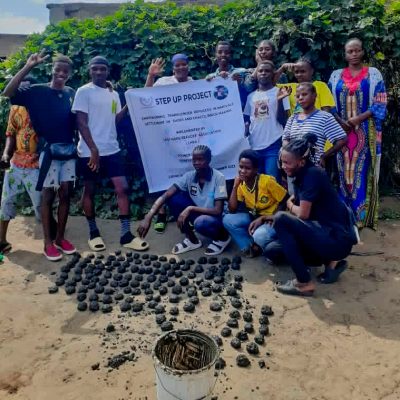
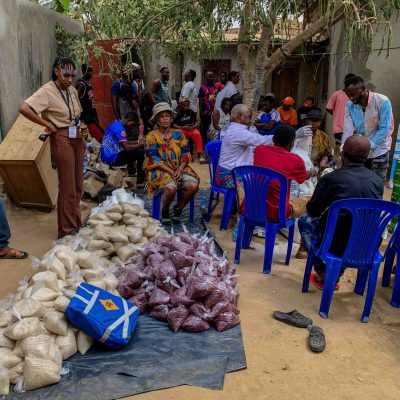
These activities directly support income generation, skills development, and economic independence: 1.Handcrafted production of sandals 2. Production of liquid soap 3. Production of combustible briquettes from coal waste 4. Hair and make-up 5. Small vegetable gardens at home 6. Introduction to computer science 7. Small businesses and local entrepreneurship 8. Capacity building where it relates to vocational skills, entrepreneurship, and income generation 9. Food distribution Food distribution supported by Safe Place International: LHRA provides emergency food assistance to vulnerable members experiencing food insecurity, helping address immediate nutritional needs while reducing the impact of poverty, displacement, discrimination and loss of livelihoods.
Impact
LHRA was born from a reality we know firsthand: being forced to flee persecution does not always mean finding safety.
Founded by young transgender refugees, Last Hope Refugee Association (LHRA) was created in response to the discrimination, violence, exclusion, homelessness, economic hardship and lack of access to essential services experienced by trans refugees and asylum seekers.
We believe that every person deserves to live with dignity, safety, equality and respect for their fundamental rights, regardless of their sexual orientation or gender identity.
As a refugee-led and community-based organization, we understand the challenges our communities face. We work directly with community members, listen to their priorities and develop practical responses that address immediate needs while building longer-term resilience.
Our work is guided by human dignity, equality, inclusion, integrity, solidarity, accountability, community participation and social justice.
We do not see refugees only as people in need of assistance. We see them as people with skills, knowledge, strength and the ability to shape their own future.
Our purpose is to transform fear into hope, exclusion into solidarity and vulnerability into resilience.
LHRA works to promote the protection, wellbeing, dignity and self-reliance of trans refugees and asylum seekers.
Our work focuses on protection, health and psychosocial wellbeing, human rights advocacy, humanitarian assistance and economic empowerment.
Protection & Human Rights
We help communities understand and exercise their rights while strengthening their ability to protect themselves. Our work includes human rights education, legal assistance and referrals, documentation of human rights violations, digital security, advocacy, emergency response, temporary relocation of people at risk and collaboration with protection actors.
Economic Empowerment & Livelihoods
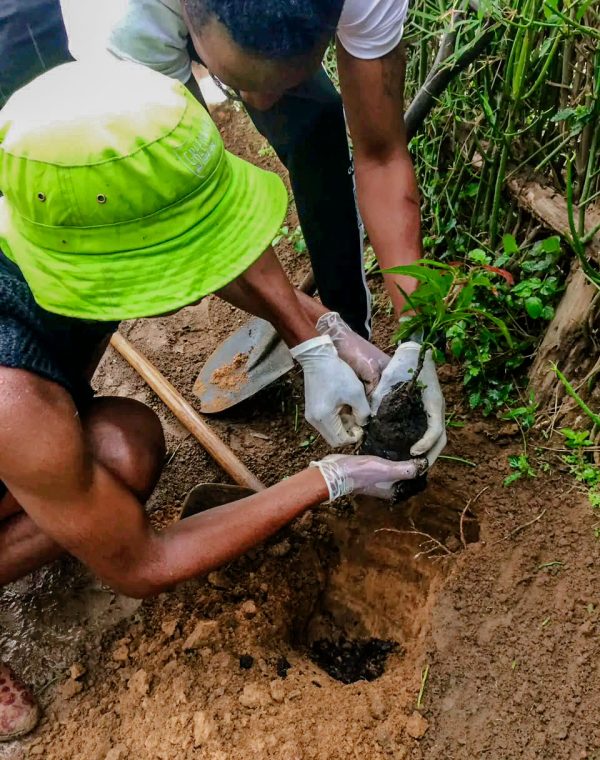
We provide practical skills and entrepreneurship opportunities that can help community members build more independent and sustainable lives. Activities include vocational training, liquid soap production, handcrafted sandals, charcoal briquettes, hair and makeup, home vegetable gardens, computer skills and small business development.
Health & Wellbeing
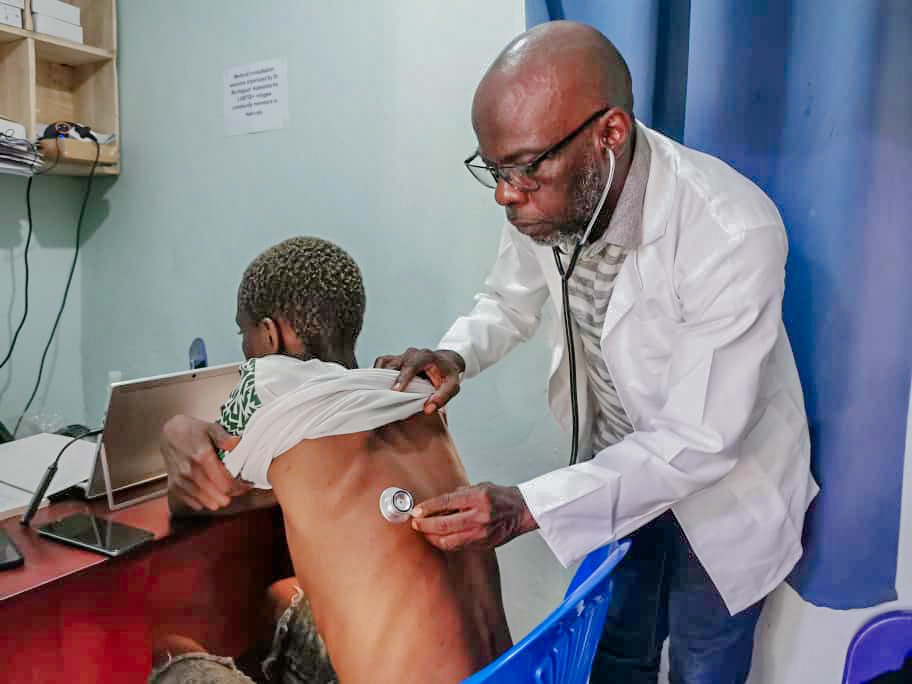
We promote access to health information, services and support, including HIV prevention and awareness, treatment adherence support, medical referrals, sexual and reproductive health education and assistance to members living with HIV.
We also recognize the impact of displacement, violence, discrimination and exclusion on mental wellbeing. Through psychosocial support, listening, community activities and peer support, we help people rebuild confidence, resilience and hope.
Humanitarian & Emergency Support
When community members face immediate hardship, LHRA responds according to available resources. Our support can include emergency shelter, accommodation for homeless members, food and essential-item distribution, medical assistance, emergency relocation and referrals to specialized services.
Advocacy & Community Leadership
We advocate for equality, non-discrimination and respect for human rights while creating opportunities for community members to become leaders and advocates for themselves and others.
Our activities include advocacy with authorities and humanitarian actors, awareness campaigns, youth mentoring, leadership development, research, documentation and institutional strengthening of trans community organizations.
Our approach is simple: respond to immediate needs while helping people develop the skills, confidence and opportunities they need to build a more secure future
Our relationship with the community does not end when an activity ends.
LHRA believes that meaningful change requires continued engagement, trust and follow-up. We remain connected to community members to understand emerging challenges, provide appropriate referrals, strengthen their capacities and connect them with available opportunities and services.
Where resources allow, we provide continued support through:
1. Follow-up and community outreach
2. Psychosocial and peer support
3. Mentorship and leadership development
4. Livelihood and entrepreneurship support
5. Health information and referrals
6. Legal and protection referrals
7. Emergency assistance
8. Temporary relocation for people facing immediate risks
9. Food and essential-item support
10. Digital safety and protection training
11. Community advocacy
12. Partnerships and service linkages
We also work with national and international partners to strengthen the support available to the communities we serve.
Our goal is not to create dependency. We aim to help people move from crisis toward stability, from vulnerability toward resilience, and from exclusion toward meaningful participation in their communities.
We listen, we learn, we follow up, and we continue working alongside our communities.