Our Activity
“Annual Report on LAHORA Staff and Activities”
Download.pdf
Activities 2026

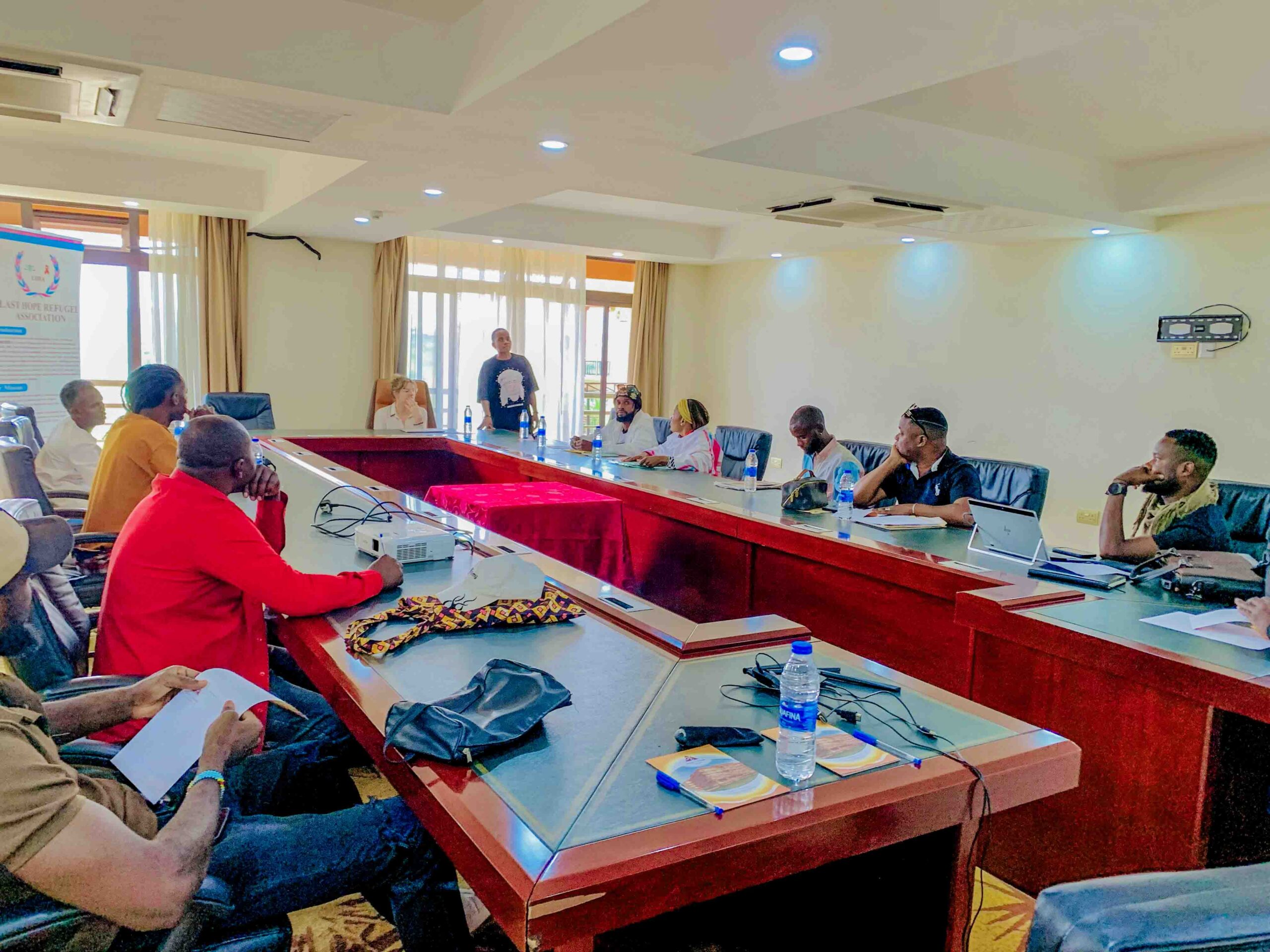
Meeting held in Mbarara with a consultant from The International PRIDE Centre – February 25, 2026
On February 25, 2026, LHRA held a meeting in Mbarara with Clare, a representative of The International PRIDE Centre. This encounter was a significant milestone in building bridges between refugee-led initiatives and international allies. The meeting symbolized LHRA’s ongoing commitment to partnerships, visibility, and solidarity, ensuring that the voices of Trans-refugees are recognized and supported at both local and global levels. Such engagements strengthen LHRA’s network, open opportunities for collaboration, and highlight the importance of shared responsibility in advancing dignity, inclusion, and resilience for marginalized communities. By connecting with international partners, LHRA continues to position itself as a proactive actor in shaping a future where refugee-led organizations are central to the movement for equality and justice
ON SEPTEMBER 19, 2026, FOOD DISTRUBITION
FOR TRANSGENDER REFUGEES
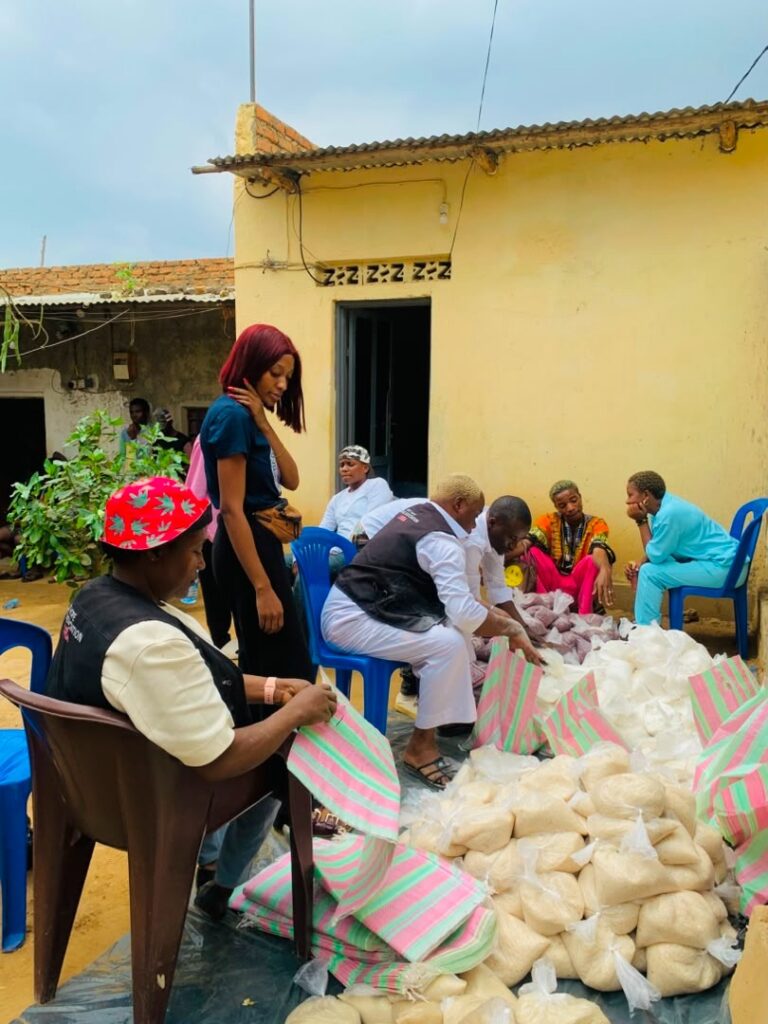
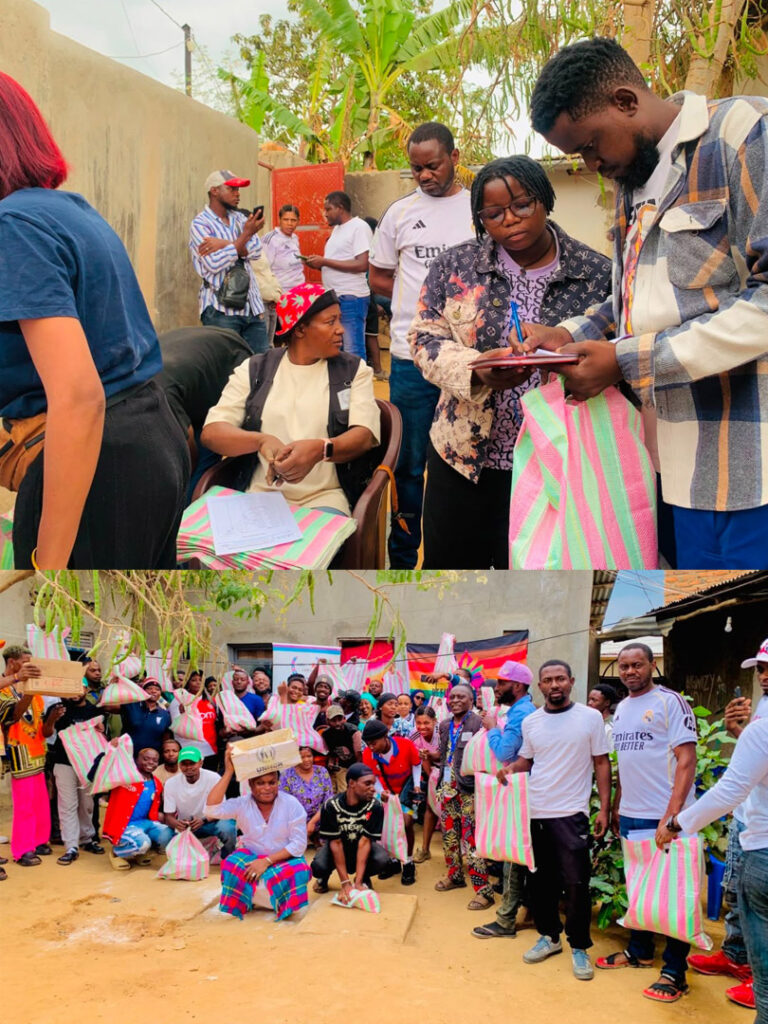
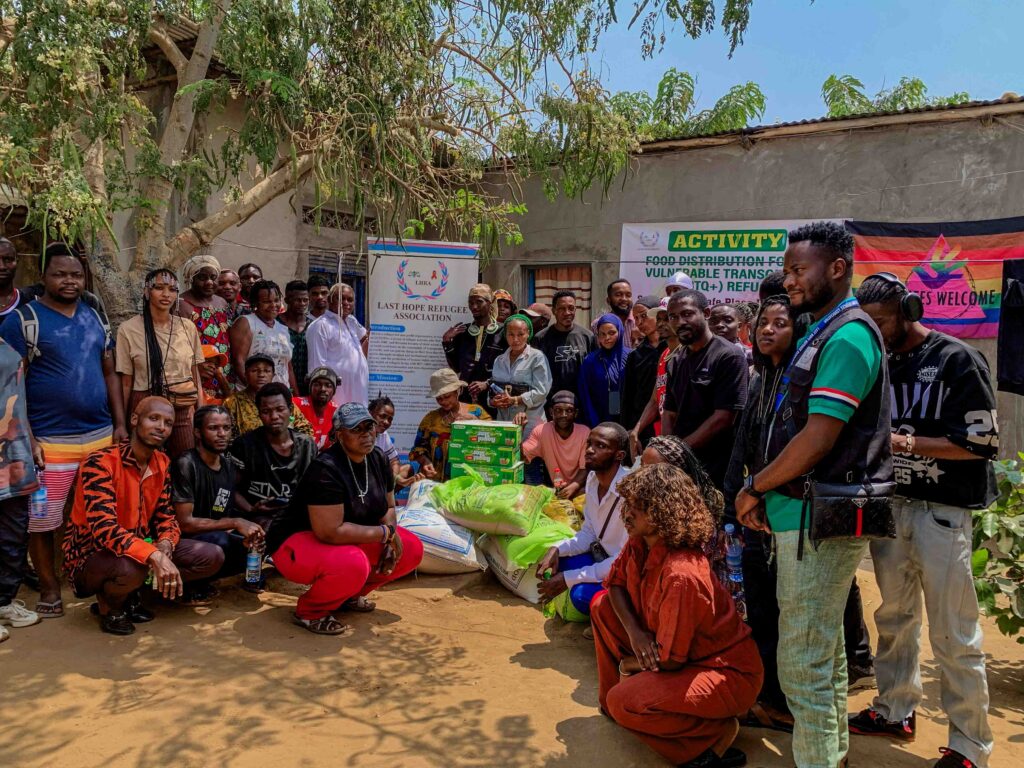
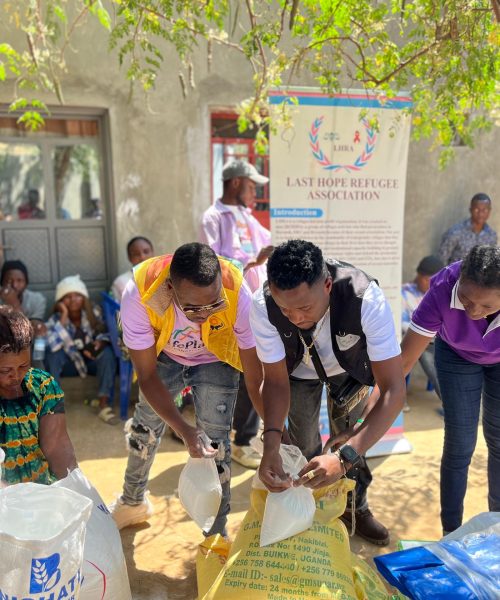
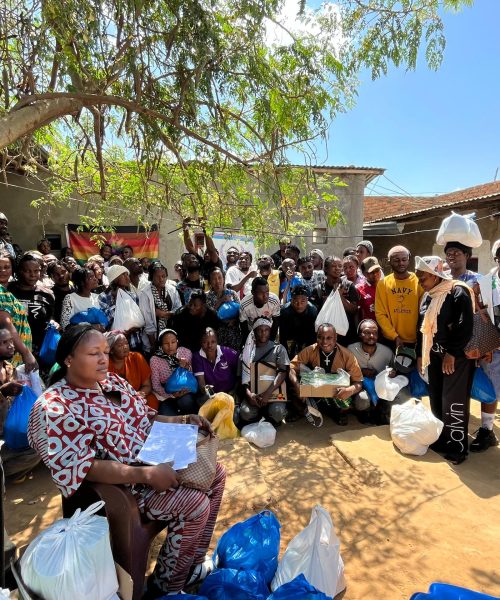
Last Hope Refugee Association, in collaboration with Safe Place International, conducted a food distribution initiative to support transgender refugees living in Nakivale Refugee Settlement, Uganda.
During the activity, four transgender refugees shared their personal testimonies, highlighting how this food support has been essential in their daily lives.
They expressed their appreciation for the assistance and explained how such support helps them meet their basic needs and cope with the challenges they face as refugees.
SEPTEMBER-2026, FOOD ASSISTANCE
FOR TRANSGENDER REFUGEES
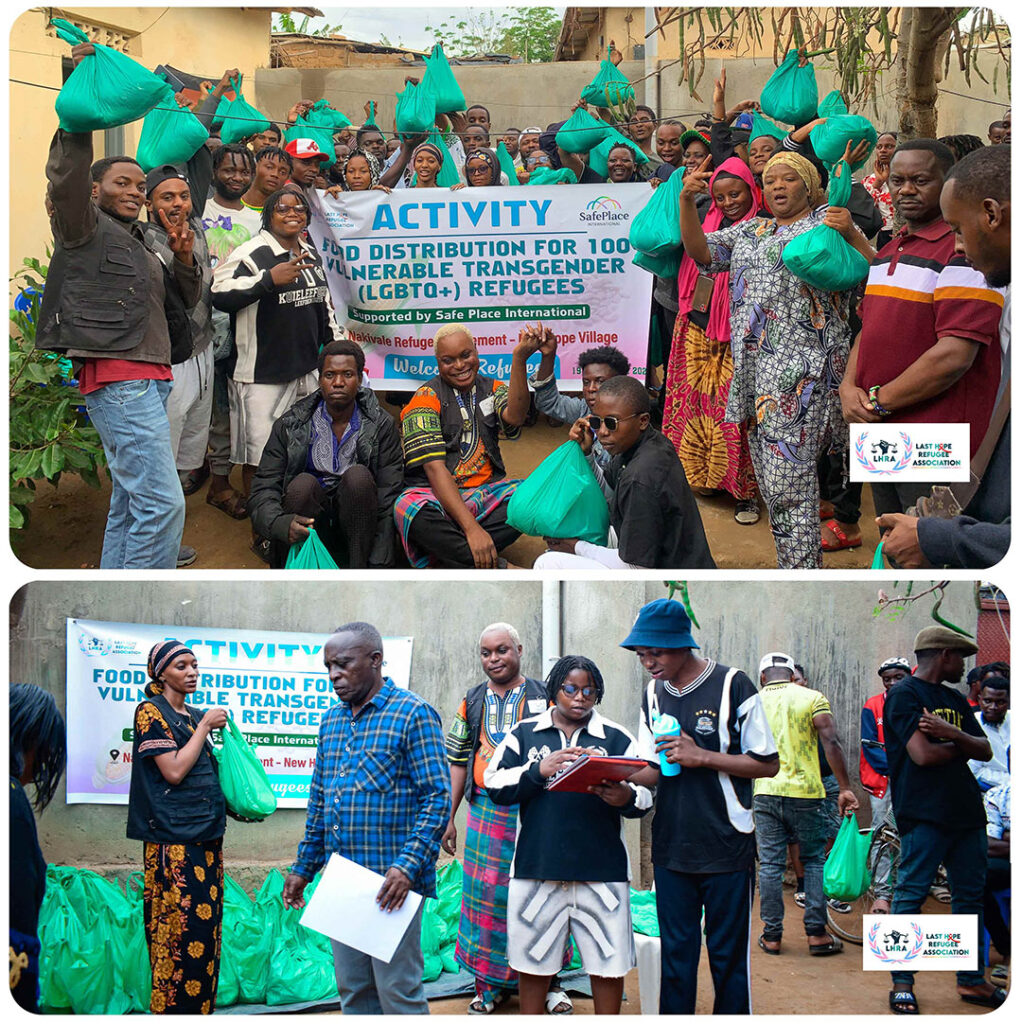
On September 19, 2026, Last Hope Refugee Association, in collaboration with Safe Place International, carried out a meaningful food distribution initiative supporting 100 transgender refugees living in Nakivale Refugee Settlement, Uganda.
This initiative reflects our shared commitment to supporting transgender refugees and responding to some of the challenges they face in their daily lives.
The food distribution provided much-needed assistance to transgender refugees who continue to face difficulties in accessing basic necessities. Initiatives like this demonstrate the importance of community support, partnership, and collective action in helping vulnerable transgender refugees meet their basic needs.
Despite the discrimination, violence, and other challenges faced by transgender refugees, Safe Place International continues to give hope and stand in solidarity with the transgender community.
training activity from UNHCR with transgender refugees – LHRA
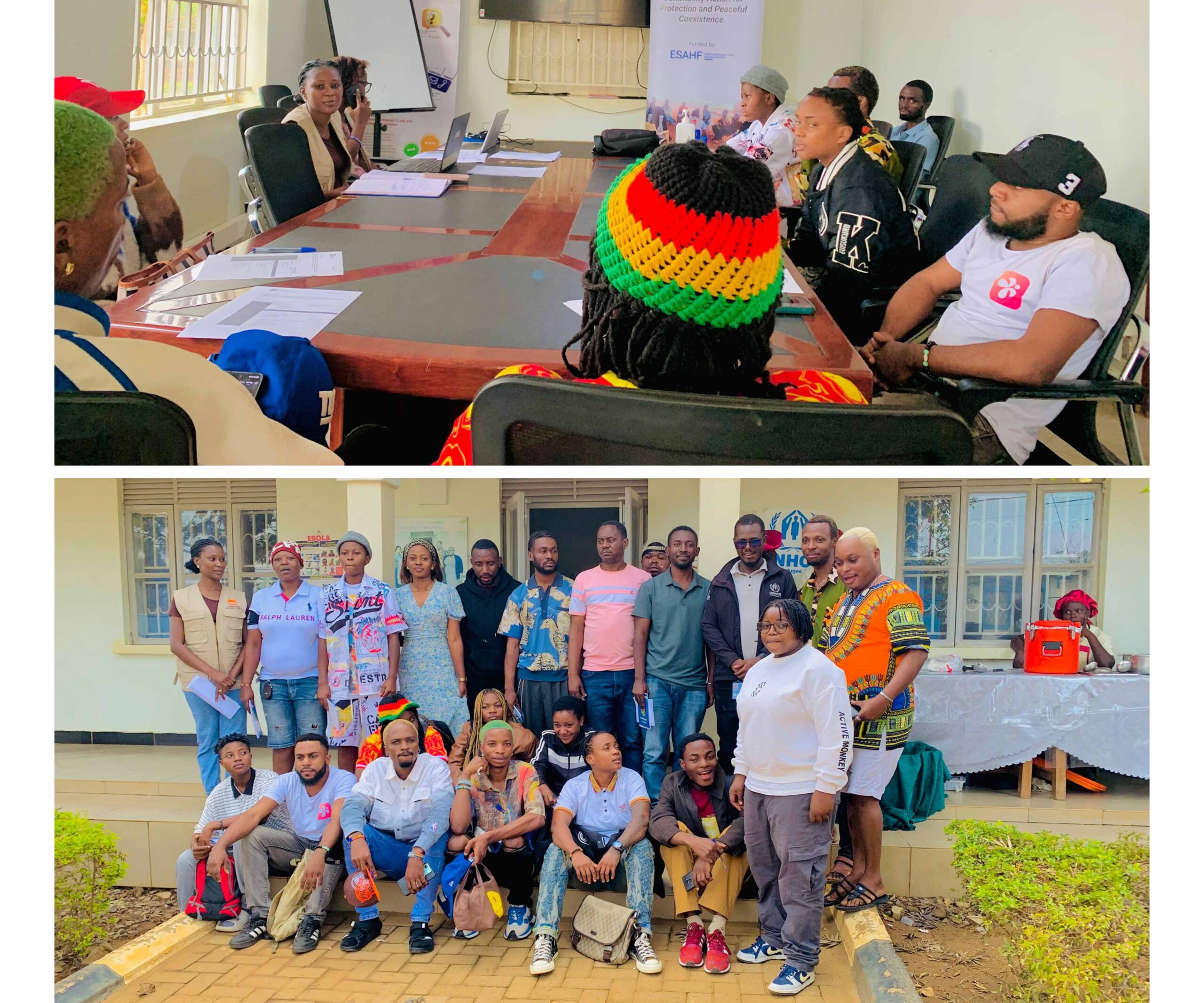
On the 10th of September 2026, in Nakivale Refugee Settlement, 20 transgender refugees, members of Last Hope Refugee Association have had an invitation from UNHCR and N.R.C Norwegian Refugee Council for a training that aimed to establish and capacitate a network of First Line Responders to provide immediate, inclusive, and confidential support to vulnerable individuals and minority groups, linking them to Protection services and ensuring no one is left behind.
In this training, several points were discussed:
- Understanding Minority Groups Protection Ricks and the Role of First Line Responders
- Uganda’s Legal and Human Rights Framework
- Safe, Confidential and Dignified First Response
- Referral Pathways, Safeguarding and Community Protection Network etc.
Soap-Making and Packaging Training – LHRA
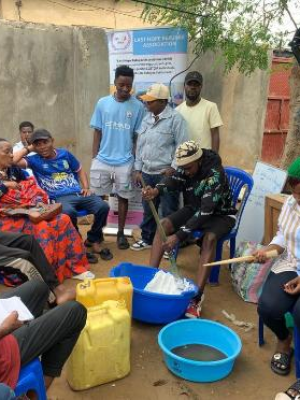
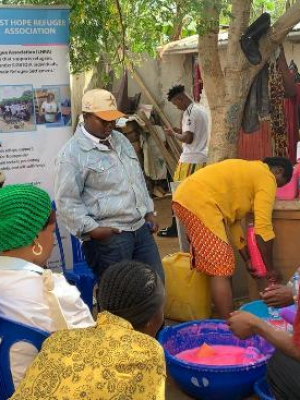
LHRA recently organized a capacity-building workshop on liquid soap production for its members. This training equipped Trans-refugees with practical skills in formulating, mixing, and producing liquid soap, a product that is both essential for hygiene and highly marketable within refugee settlements and surrounding communities.
Following the training, participants engaged in soap packaging sessions, preparing their products for sale in local markets. This step was crucial in teaching members not only how to produce but also how to brand and present their goods professionally, ensuring competitiveness and sustainability in income-generating activities.
The initiative directly contributes to economic empowerment and self-reliance, reducing dependency on humanitarian aid while fostering creativity and entrepreneurship. At the same time, it promotes community health and hygiene, as locally produced soap becomes more accessible and affordable.
By combining skills training with market readiness, LHRA demonstrates how livelihood projects can simultaneously strengthen financial independence, improve public health, and build dignity for marginalized refugees.
Digital Safety and Security Workshop
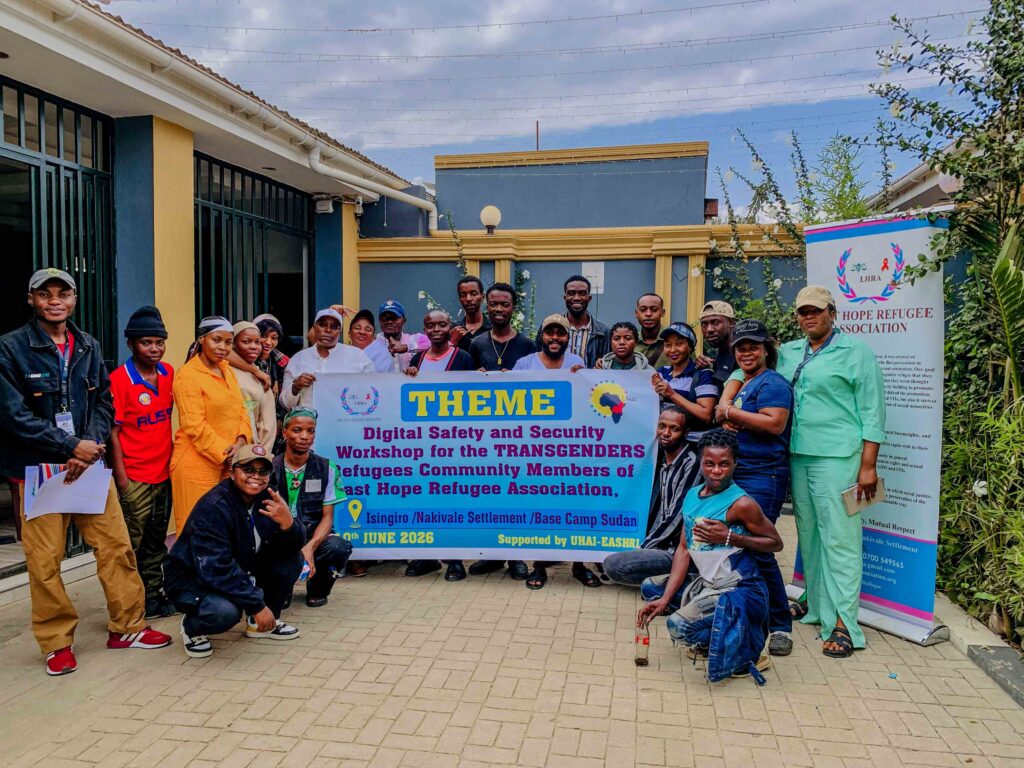
LHRA organized a Digital Safety and Security Workshop for transgender refugee community members, with support from UHAI. The training aimed to strengthen participants’ ability to navigate online spaces safely, protect their personal information, and reduce risks of harassment or exploitation in digital environments.
Through interactive sessions, members learned practical strategies for secure communication, data protection, and responsible use of social media and online platforms. The workshop also emphasized the importance of digital literacy as a tool for self-defense and empowerment, ensuring that marginalized refugees can access information, connect with networks, and advocate for their rights without compromising their safety.
By equipping participants with these skills, LHRA not only enhanced individual resilience but also contributed to building a collective culture of security within the community. This initiative reflects LHRA’s commitment to protecting the dignity of trans-refugees in both physical and digital spaces, ensuring that technology becomes a pathway to empowerment and peace rather than vulnerability.
August 2026 – Nourishing Hope, Building Resilience
In August 2026, LHRA conducted its third consecutive food distribution, supported by Safe Place International, serving 100 transgender refugees. The packages provided essential staples and hygiene products, directly alleviating hunger and promoting wellbeing.
This initiative highlighted the importance of consistent support in refugee communities. Regular food distributions not only prevent hunger but also reduce stress on households, enabling members to engage in livelihood activities and advocacy work. By combining humanitarian aid with empowerment programs, LHRA demonstrates how basic needs provision is the foundation for resilience and long-term independence.
July 2026 – Sustaining Health Through Food Support
In July 2026, LHRA once again partnered with Safe Place International to distribute food and hygiene essentials to 100 transgender refugees. The packages included staple foods and soap, designed to improve both nutrition and sanitation within the community.
This intervention was more than humanitarian relief-it was an act of solidarity and empowerment. Access to food reduces vulnerability to exploitation, strengthens health outcomes, and provides stability for households struggling with poverty and stigma. By ensuring that no one is left behind, LHRA continues to uphold the principle that health and dignity are human rights.
In June 2026, LHRA carried out a food distribution initiative funded by Safe Place International, reaching 100 vulnerable transgender refugees in Nakivale settlement. Each package contained maize flour, rice, beans, sugar, and laundry soap, ensuring both nutrition and hygiene support.
This activity was vital in addressing food insecurity among marginalized refugees, particularly those living with HIV/AIDS and others facing extreme hardship. By meeting immediate survival needs, LHRA reinforced dignity and resilience, allowing members to focus on rebuilding their lives through education, livelihood projects, and advocacy.